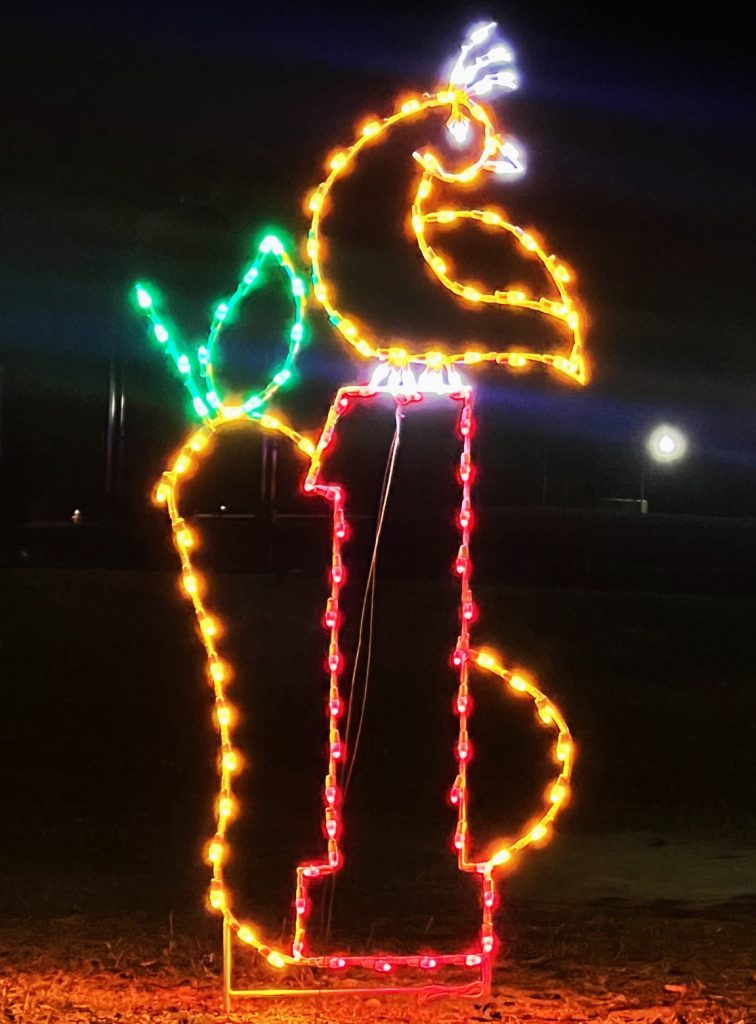
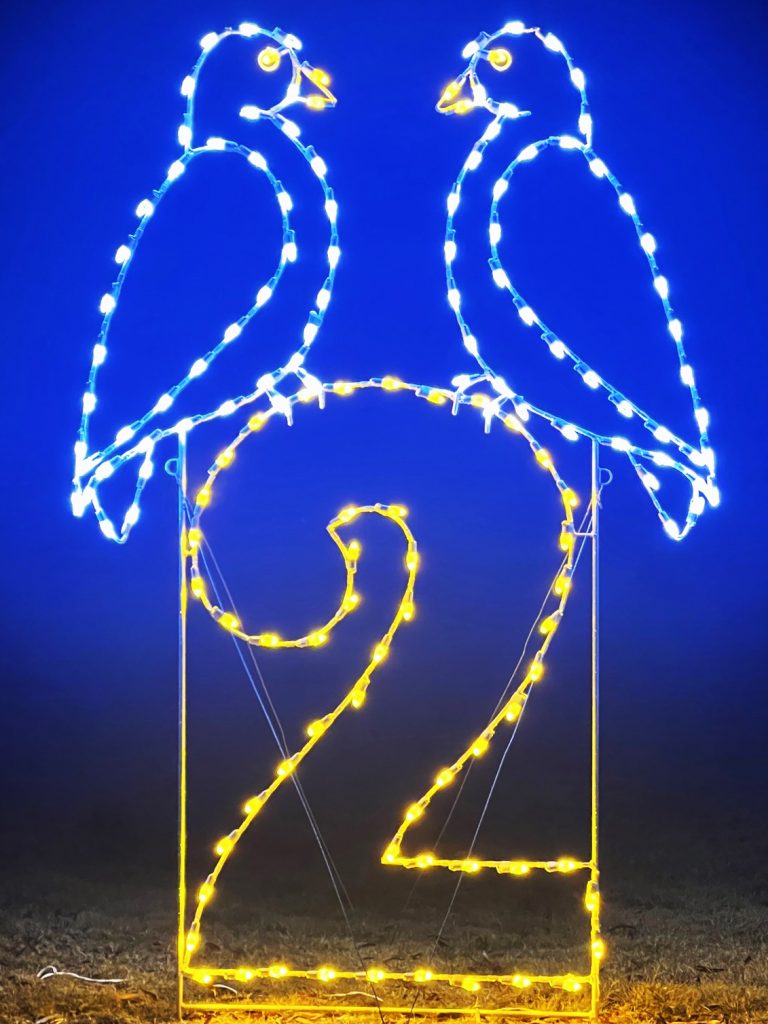
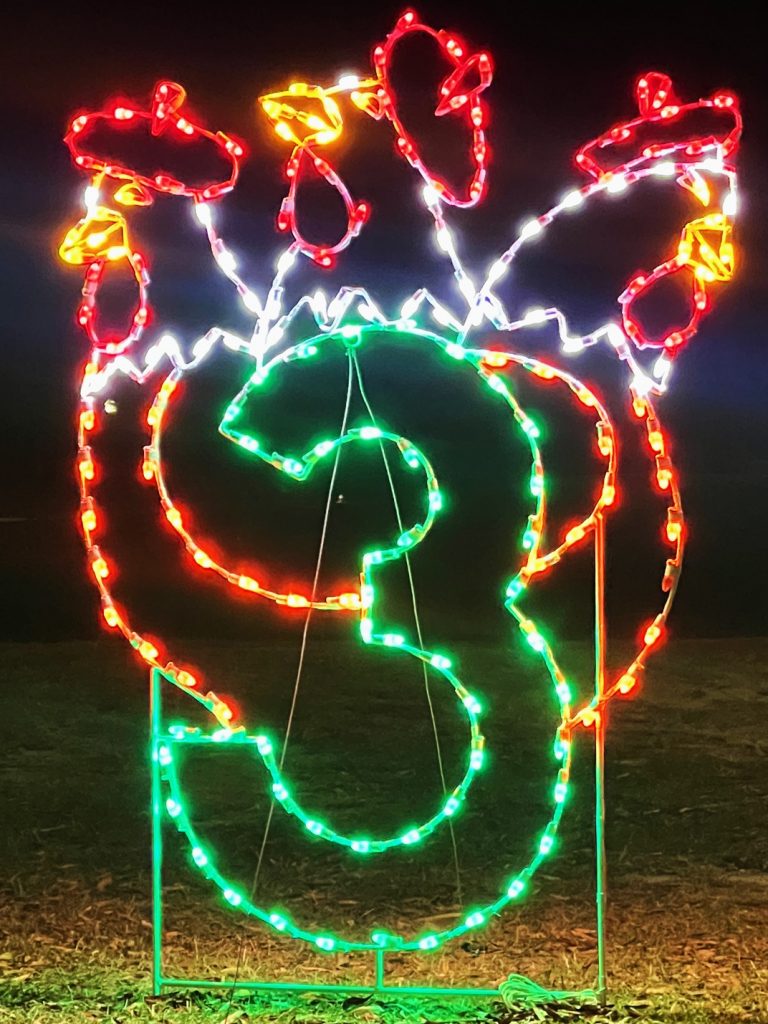
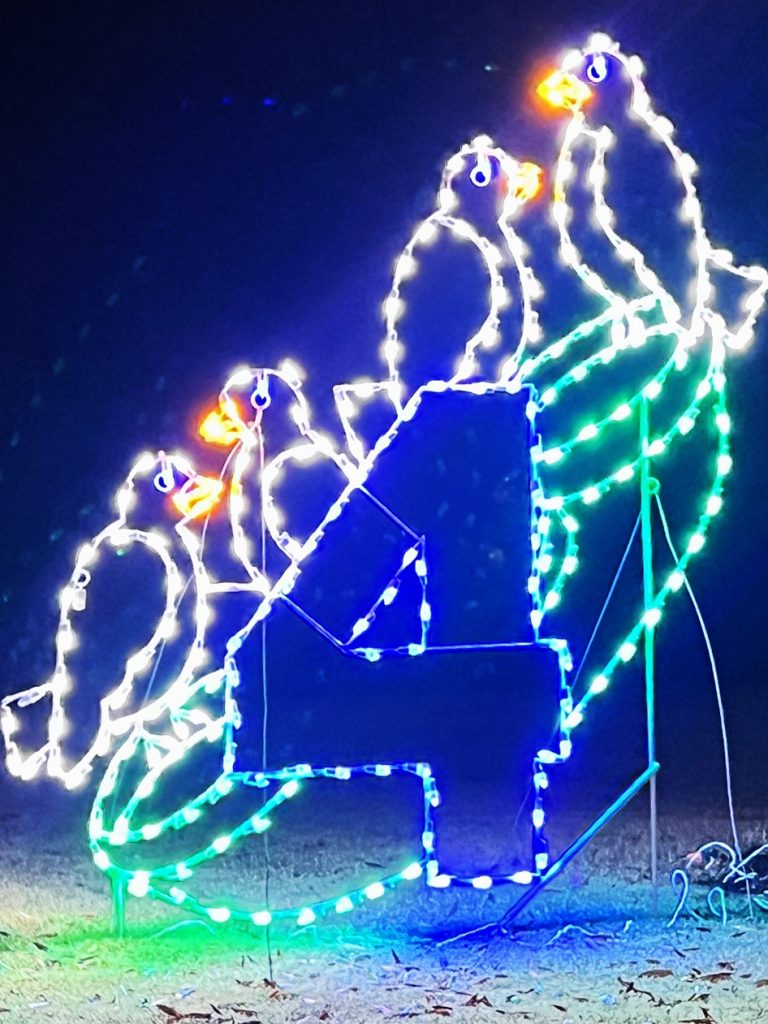
While it can feel like the holiday season is over once the last present is unwrapped on Christmas morning, a centuries-old tradition (along with a new light display at Doko Meadows Park in Blythewood) reminds us that the party is only really just beginning. We are right in the heart of the “12 Days of Christmas”, a magical week between December 25 and January 6 that has evolved from a medieval theological construct into one of the world’s most beloved songs.
As a countdown that begins on Christmas Day, these twelve days are a celebration of “extra time.” Let’s look at how the season of the Partridge and the Pear Tree came to be.
The world’s first “winter break”
The 12 Days came into existence at a time when the Christian world was divided over which was the “most important day of the year.”
Centered in Rome, the Western Church focused on December 25 and the Nativity. The Eastern Church, centered in Alexandria and Constantinople, placed their attention on January 6, a day they called Epiphany.
Because travel and communication were slow, the two traditions developed separately until the Council of Tours in 567 AD. There, church leaders faced a dilemma: how do you unify a world that celebrates Christmas on two different days? Their solution was simple. The entire period between the two dates was declared a “sacred and festive tide.”
By making the 12 days between the feasts a unified holiday, the Church essentially created history’s first official winter break. The daily constraints of the Middle Ages were set aside, labor in the fields stopped, and the focus shifted entirely to community, feasting, and faith.
The 12-Day festival
But the 12 Days were not meant to be a blur of parties. They were a choreographed journey of storytelling and celebration.
Day 1 (Dec 25): The Nativity. A focus on the birth of Jesus sets a spiritual tone as the festival begins.
Day 2 (Dec 26): St. Stephen’s Day. Now known as Boxing Day, this was traditionally a day of charity, where the wealthy gave “boxes” of food or money to the poor.
Day 3 (Dec 27): St. John the Apostle. A day for friends. Tradition involved “St. John’s Love,” a ritual toast with spiced wine to celebrate friendship.
Day 4 (Dec 28): Holy Innocents. Paradoxically, this became a day for children to “rule” the household, often electing a “Boy Bishop” to lead festivities.
Day 5 (Dec 29): St. Thomas Becket. A day honoring courage and standing up for one’s beliefs, celebrating the famous English martyr.
Day 6 (Dec 30): St. Egwin of Worcester. A day often focused on the protection of the home and family heritage.
Day 7 (Dec 31): St. Sylvester (New Year’s Eve). In many cultures, “Silvester” is still the name for New Year’s Eve: a night of fire, bells, and looking forward.
Day 8 (Jan 1): The Octave of the Nativity. A day for new beginnings and the naming of the child, marking the first week of the new year.
Day 9 (Jan 2): St. Basil and St. Gregory. These two saints were famous friends; hence, this day honors the intellectual and spiritual bonds we share with others.
Day 10 (Jan 3): The Feast of the Holy Name. A day about identity and the power of a name.
Day 11 (Jan 4): St. Elizabeth Ann Seton. In the modern calendar, this is a day celebrating education and community service.
Day 12 (Jan 5): Twelfth Night. The “Grand Finale.” This was the biggest party of the season, full of costumes, spiced ale (known as ‘wassail’), and the “King’s Cake.”
On the morning following the 12th day (January 6), the world celebrated Epiphany: the “manifestation” of light to the world, marking the arrival of the Three Wise Men.
The journey to a song
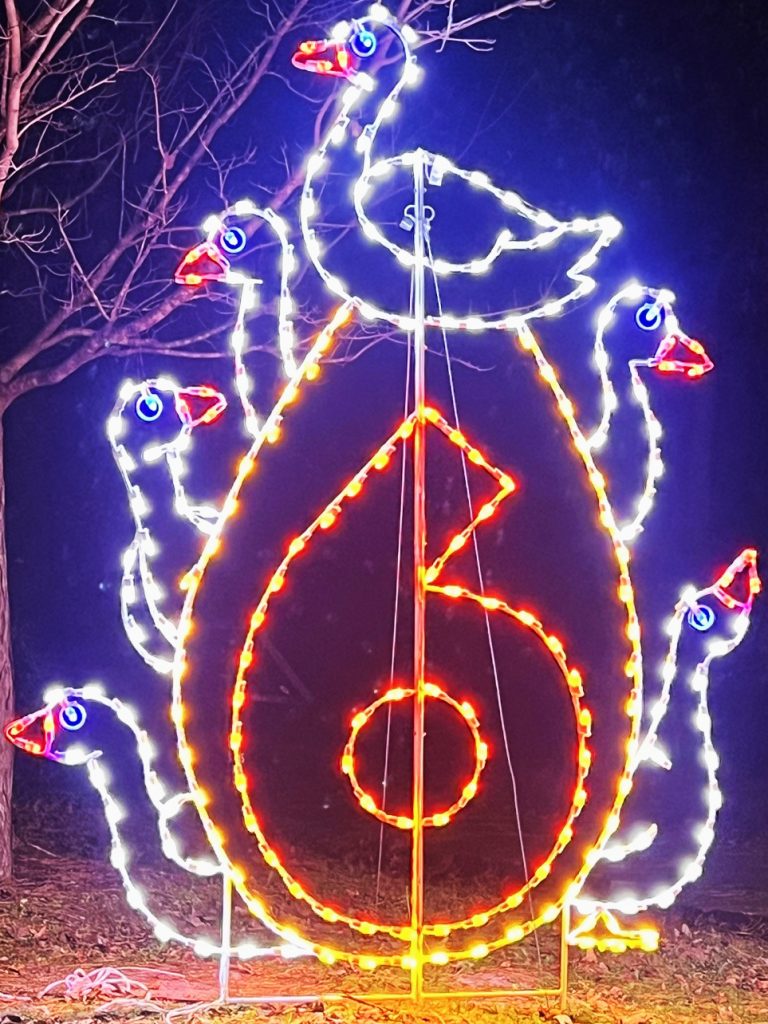
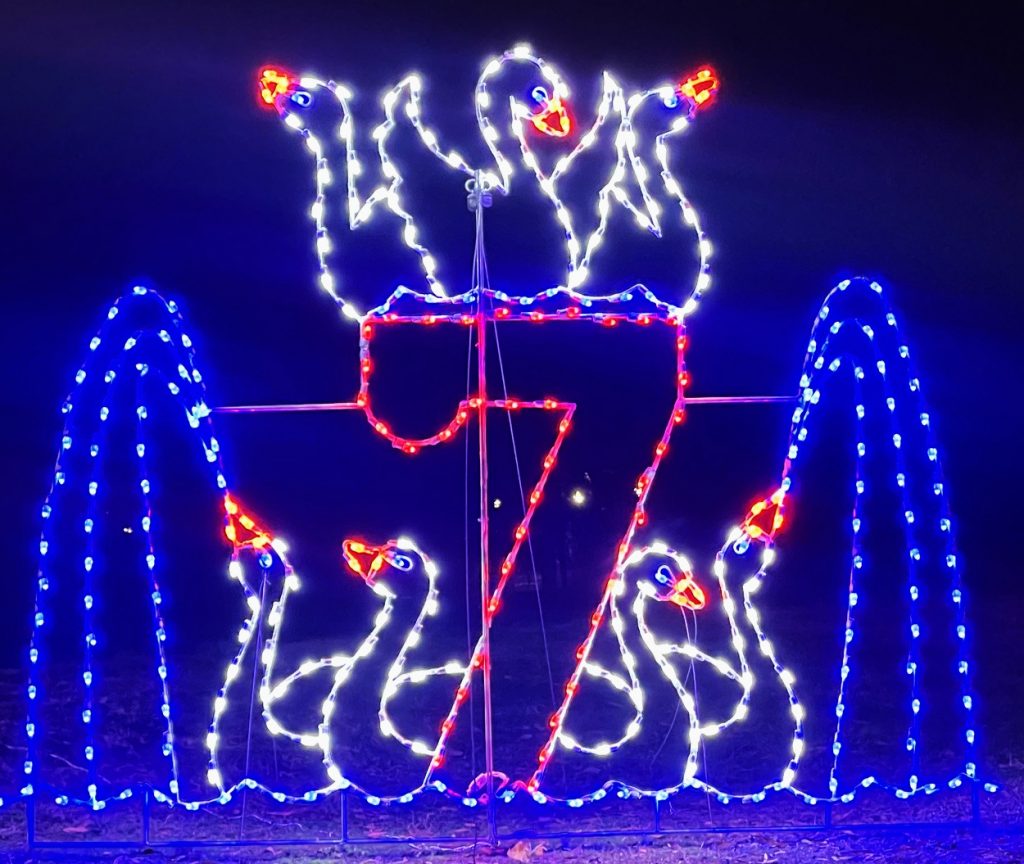
If you’ve ever struggled to remember if the geese come in at 6 or 7, you’re actually playing the song exactly as it was intended.
Before it was a carol, the 12 Days of Christmas was a popular party game. It’s believed to have started as a French folk poem and first printed in English in 1780 in a children’s book titled Mirth Without Mischief. By the 18th century, it was boisterously chanted at Twelfth Night parties.
The rules were simple: players had to repeat the increasingly long list of gifts without a mistake. If you stumbled or forgot a line, you had to pay a “forfeit”: a kiss, a piece of candy, or a small favor for another guest. Fun and funny, the game sparked laughter and connection in crowded parlors.
A 1909 makeover
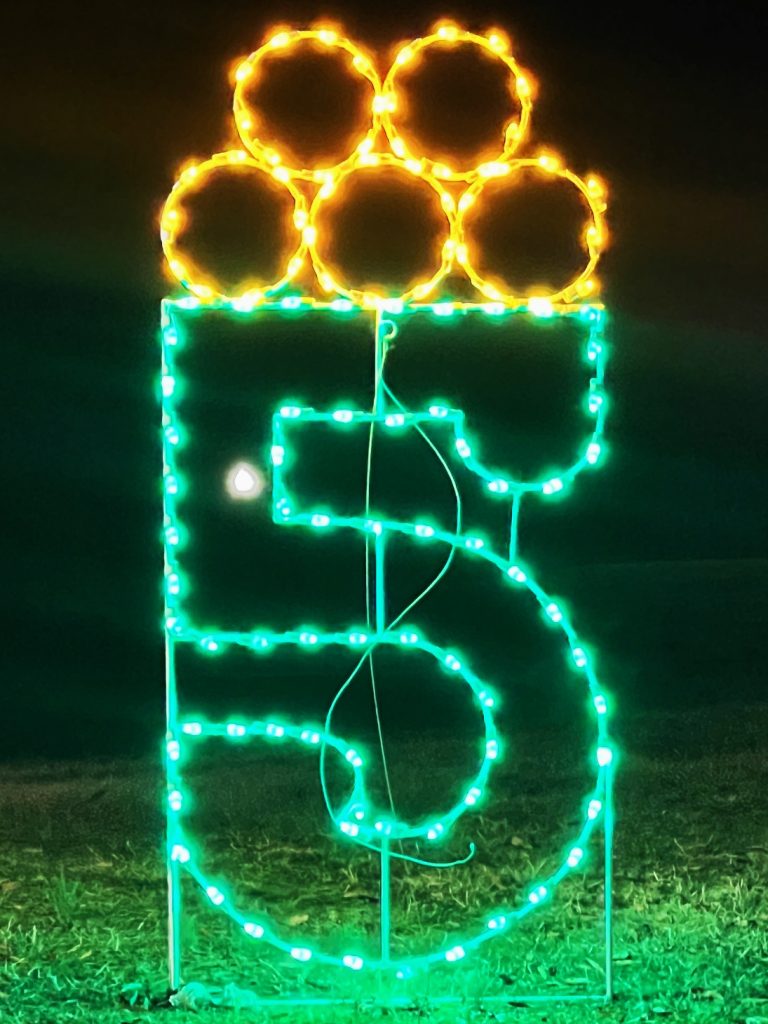
The version we sing today is actually a modern remix. The lyrics are centuries old, but the catchy melody was standardized in 1909 by English composer Frederic Austin. It was Austin who added the emphasis on the 5 Golden Rings, where everyone gets to dramatically belt out the lyrics.
The original 1780 version featured “four colly birds”, which referred to an old English term for “coal-black” blackbirds. Austin updated the word to “calling.”
Some historians believe the “Partridge in a Pear Tree” might be a linguistic pun. In French, a partridge is a perdrix (pronounced per-dree). So as it moved from French to English, “partridge, une perdrix,” might have evolved through English ears into “a partridge in a pear tree.”
2025: Show me the receipts!
Today, the 12 Days have acquired an interesting economic angle. According to the 2025 PNC Christmas Price Index, which measures the cost of every gift in the song, “True Love” is facing some serious inflation. In 2025, the total has climbed to $51,476.12.
The 2025 Shopping List:
A Partridge in a Pear Tree: $420.18 (Up 13.5% due to rising land and fertilizer costs)
Two Turtle Doves: $750
Three French Hens: $346.50
Four Calling Birds: $599.96
Five Gold Rings: $1,649.90 (The biggest jump, up 32.5%)
Six Geese-A-Laying: $930
Seven Swans-A-Swimming: $13,125 (The second most expensive item)
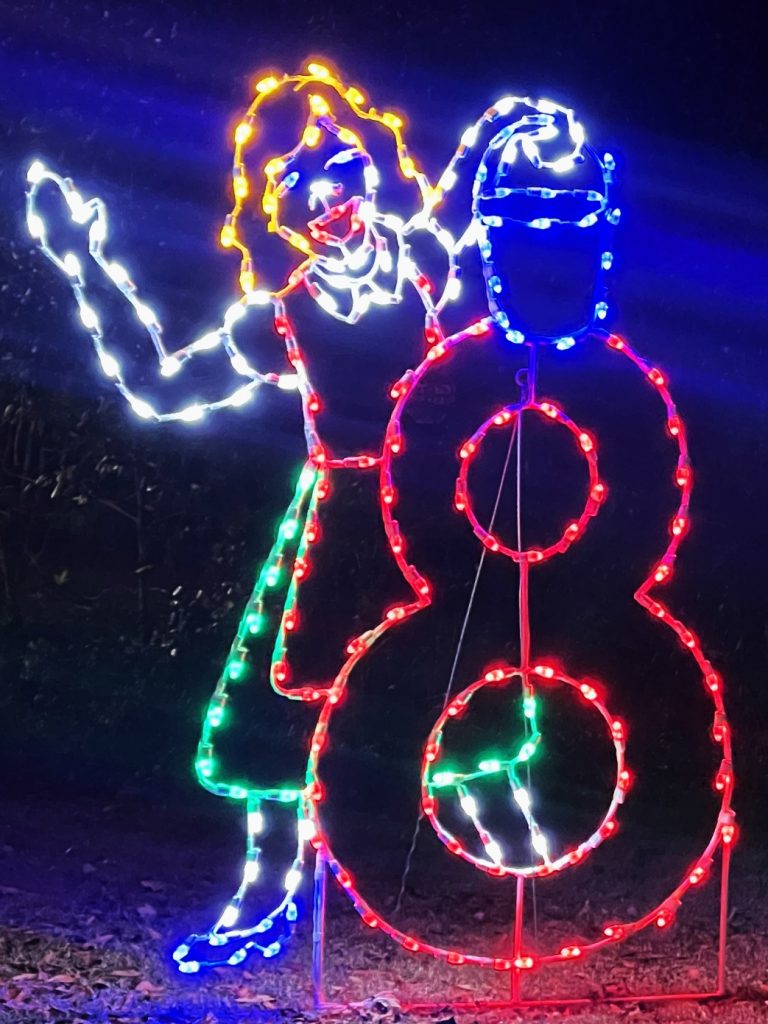
Eight Maids-A-Milking: $58 (Based on federal minimum wage; the only price that stayed flat)
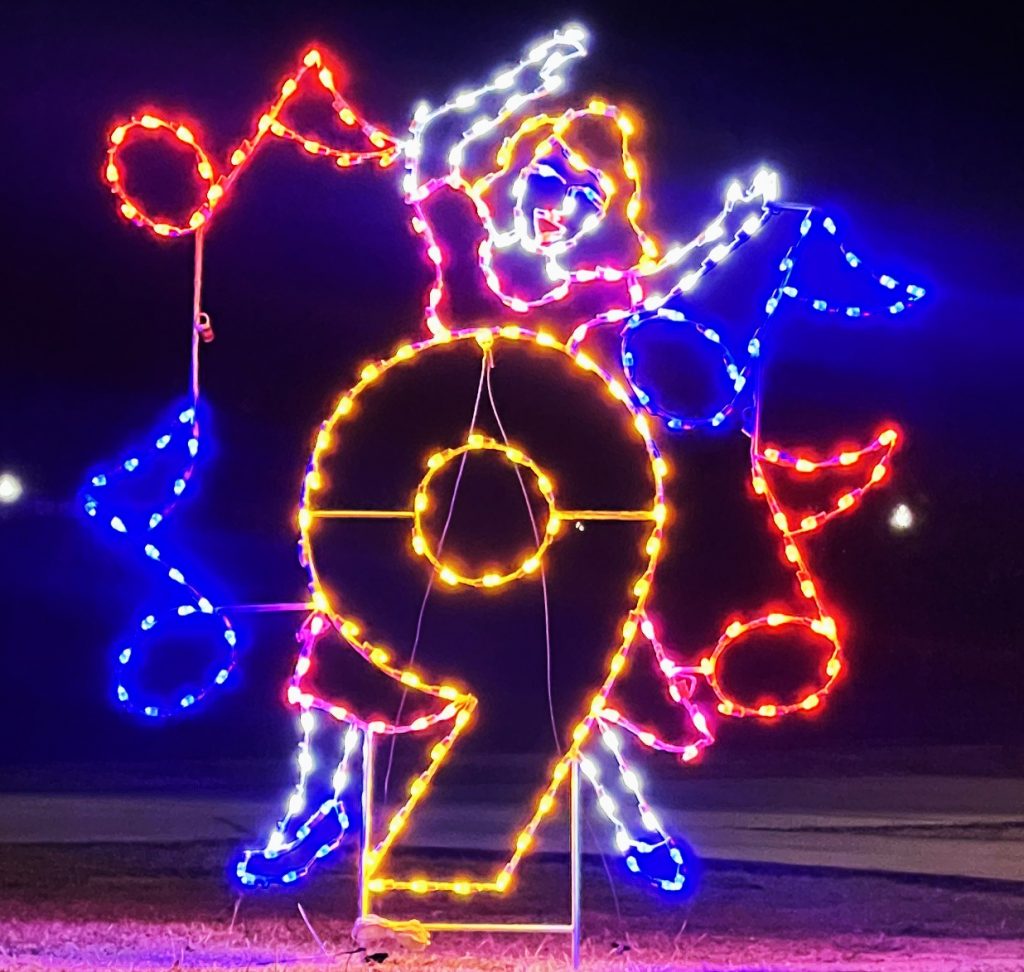
Nine Ladies Dancing: $8,856.88
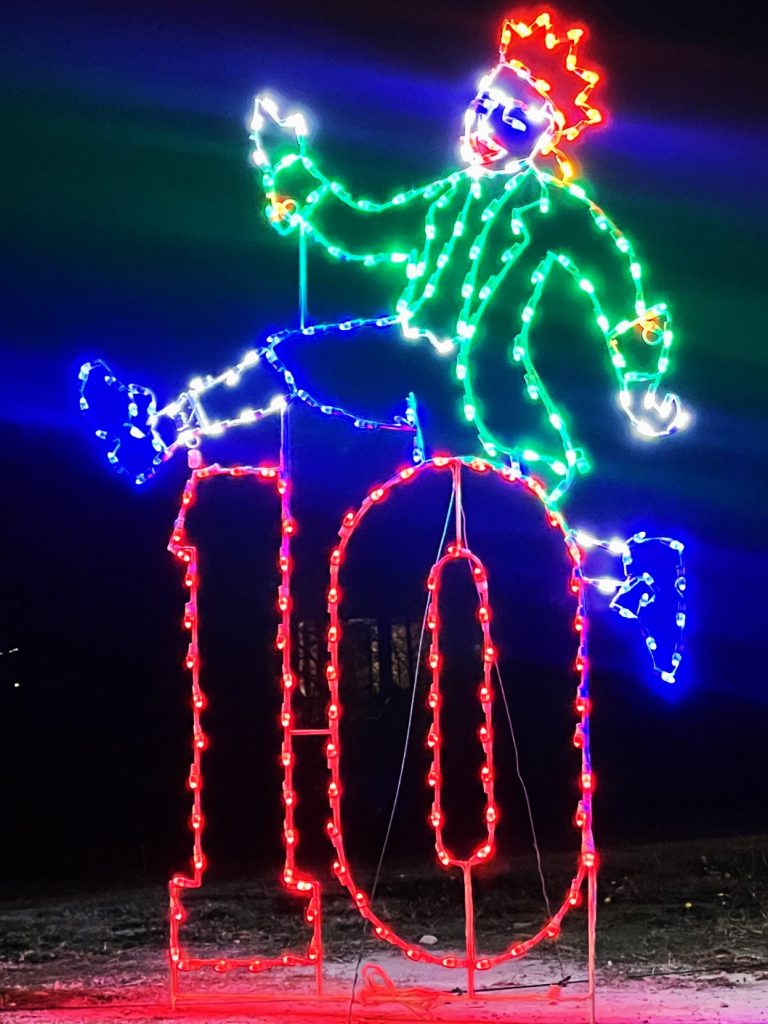
Ten Lords-A-Leaping: $16,836.14 (The single most expensive gift, reflecting high demand for performers)
Eleven Pipers Piping: $3,797.48
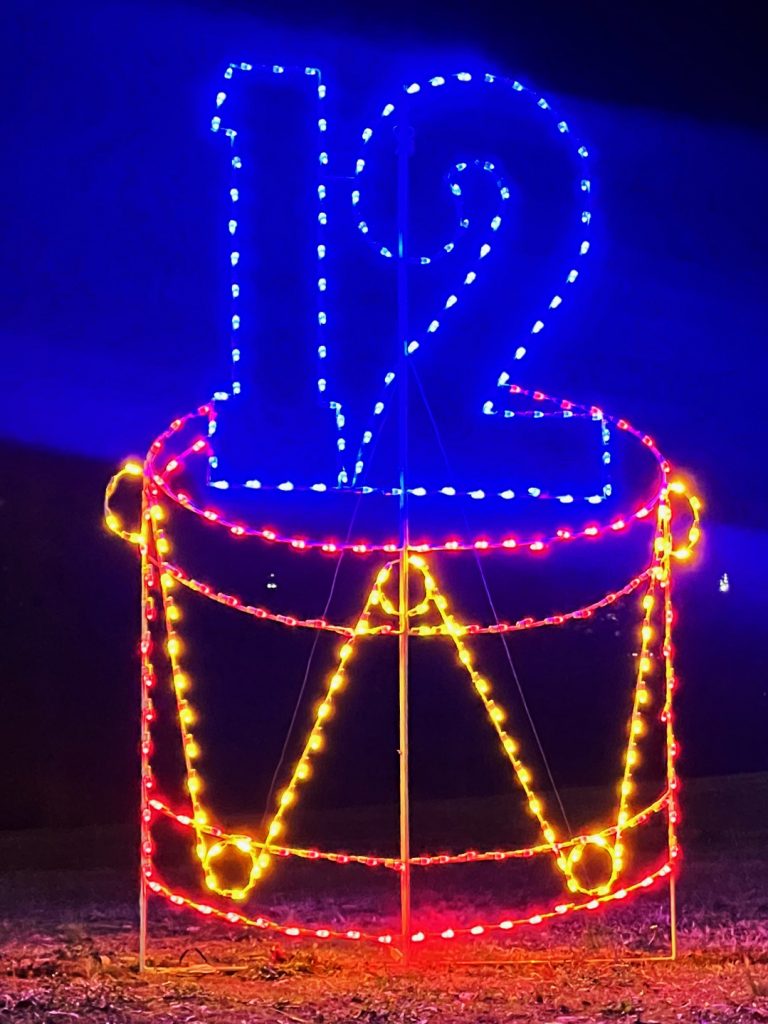
Twelve Drummers Drumming: $4,106.08

A New Trend
But the biggest trend of 2025 isn’t about spending, it’s about the #12DaysofKindness movement. Social media users have reclaimed the “12 Days” as a time of service, harkening back to the song’s 6th century roots of community and connection. The gifts have been given modern redesignations like “Four coffees for strangers” and “Twelve bags for the food bank.”
According to cultural historian Dr. Elena Vance, “the 12 Days is a tradition that says the joy of Christmas is too big to fit into just 24 hours.”
So, as the partridge settles into the pear tree this week, take a moment to enjoy the extra time. Whether you’re singing the song or performing an act of kindness, you’re participating in a 1,400-year-old tradition of making the winter a little warmer for everyone.
The lights pictured are on display at Doko Meadows Park, located at 171 Langford Rd in Blythewood. Officials from the Town of Blythewood say the display will stay up until Jan. 10.