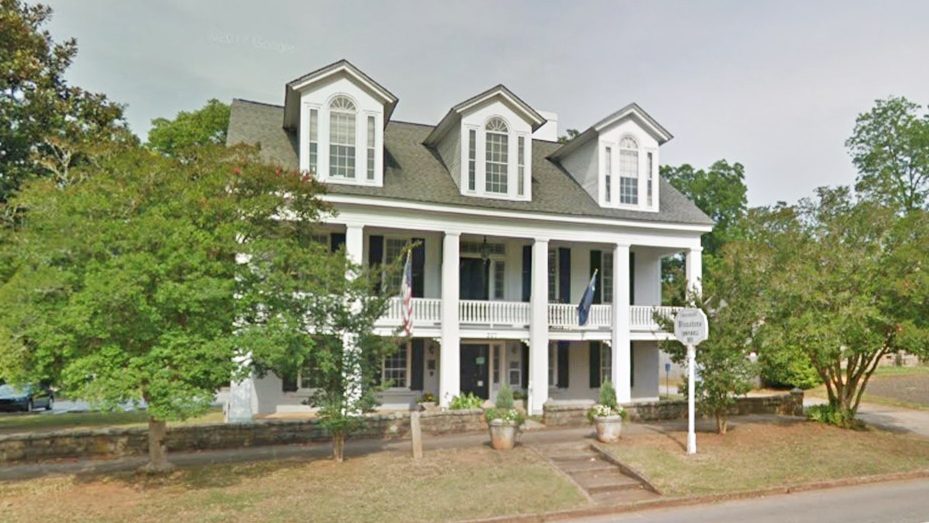
WINNSBORO – The Winnsboro Town Council passed second and final reading Tuesday night on a new ordinance aimed at cracking down on persistently vacant buildings in Winnsboro’s downtown. The ordinance is aimed at long-empty structures that drag down property values that they say invite crime and stall revitalization efforts, specifically in the downtown area of Winnsboro.
Ordinance 165 provides a new section in Winnsboro’s building code titled “Vacant Building Regulations.” The new code focuses specifically on the town’s core downtown area and requires owners of vacant buildings to register their properties with the town, in order to secure them, and improve their appearance.
Council cites its authority to pass the ordinance under a state law that allows the government to “enact such ordinances and regulations as appear necessary and proper for the security, general welfare, and convenience of the Town,” including the abatement of nuisances.
Why the Ordinance?
In the findings section of the ordinance, council wrote that persistently vacant buildings are an impediment to neighborhood redevelopment and rehabilitation, lead to lower property values, and create a barrier to a stable neighborhood.
According to the ordinance, vacant buildings are often unsightly, more likely to become structurally unsound or otherwise dangerous, and can attract criminal activity and create “threats to public health, safety, and welfare.”
“These issues are felt most acutely in the downtown area,” Winnsboro Town Manager Chris Clausen said. “Part of the reason is that the lots in the downtown area are smaller and the buildings are in close proximity to each other.
“And when structures get old, they tend to deteriorate more quickly, especially if they are left empty and not maintained.” Clausen said. “Plus, when buildings are vacant, it’s more difficult to find the person who owns them or responsible for them. We feel we need a formal system to identify owners and hold them accountable.”
What the ordinance does
The ordinance provides a registration system that will make it easier for county staff to identify and track vacant buildings in the defined downtown area. It will also require owners to secure and maintain those buildings to minimize safety hazards and blight.
Clausen said the ordinance will help improve the aesthetics in areas where empty storefronts have existed for a long time. The goal is to make them attractive so they don’t detract from other ongoing downtown improvement initiatives.
To support the enforcement of the ordinance, Town council will adopt a fee schedule for vacant building registration.
Under Ordinance 165, the town code is amended to add the new “Vacant Building Regulations” division to Title XV, Chapter 150 (Buildings). A separate schedule of registration fees – attached to the ordinance as Exhibit B – was adopted along with the ordinance.
Registration and Deadlines
Now that the ordinance has taken effect, the Town will next audit all buildings in the downtown area that appear to qualify as vacant. For each building that appears to meet the definition of ‘vacant,’ the town will send a notice to the owner, with a signed, return receipt that shows verification of delivery and an explanation of the new rules.
Once owners receive the notice, they will have 60 days – and no later than 90 days from the date it was sent – to provide evidence that the building is not vacant, or they must comply with the new vacant building regulations, including registration.
Public Hearing and Effective Date
Council held a public hearing at the meeting, but no one appeared to speak for or against the ordinance.
The Goal: a vibrant, attractive downtown
“By forcing absentee owners to register and improve their properties – and by giving town staff the tools and authority to identify and contact those owners – we’ll be better able to curb blight, support nearby businesses and residents, and make the town’s downtown area safer and more appealing to business owners and families to want to invest in our community,” Clausen said.