Black history in Fairfield County is not organized by dates or laws; it is organized by places.
Long before Black residents had consistent access to courts, schools, and political power, they had geography. Roads, distance, and land shaped where they could gather and how safely they could do so. In that reality, churches became more than houses of worship. They became the backbone of Black survival.
After emancipation, Black congregations across Fairfield County began forming independent churches. This was not simply a religious shift. It was structural. Control over space meant control over schedule, instruction, and assembly. A church building was often the only place Black people could meet without oversight.
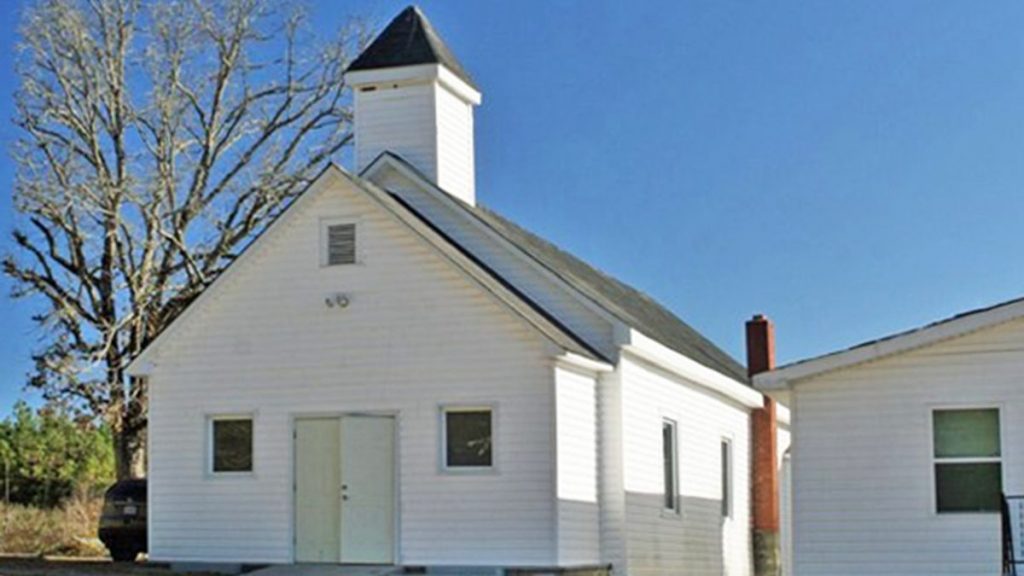
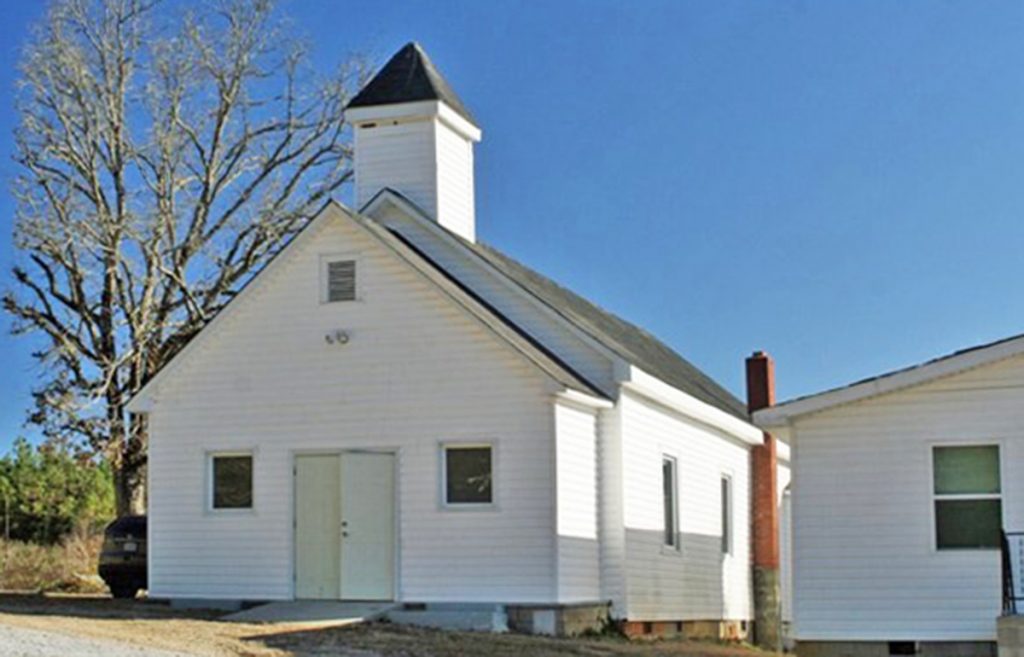
Blackjack Baptist Church is one example. Built and sustained by Black residents in 1873, it functioned as a place of worship, but also as a meeting space, a planning room, and a site of mutual aid. White Hall AME, founded in 1867, served a similar role. In addition to Sunday services, it hosted gatherings where decisions were made, disputes were resolved, and children were taught when formal systems failed to provide for them.
Education followed these same paths.
In many parts of Fairfield County, early Black schooling took place inside or alongside churches. Sanctuaries doubled as classrooms. Pews became desks. Instruction followed safety. Learning followed access. Schools such as Camp Liberty existed within this church-centered system, whether formally housed in a church building or closely tied to one. Churches made education possible when public funding did not.
This mattered because Black education was never equally supported.
Although South Carolina did not formally limit Black education to the third grade by statute. The effect of state policy was often the same. In rural counties like Fairfield, Black schools were commonly underfunded beyond the early grades. Facilities, transportation, and secondary instruction were concentrated in white schools. Black families who wanted their children to go further often had to pay tuition or send them away, treating education as if it were private long before college age.
Churches helped fill that gap. They organized instruction, reinforced discipline, and taught leadership long before those skills were recognized as civic preparation.
Camp Welfare stands as one of Fairfield County’s most historically significant Black religious gathering places. Emerging in the post-Civil War period as a camp meeting site, it reflects the long tradition of Black autonomous assembly. Its endurance is not accidental. It exists because people rebuilt around it, again and again.
That resilience was tested even in recent history.
During the 1990s, Black churches across the South were targeted in a wave of arsons.
Fairfield County appears in some compilations from that period, though local records are incomplete and sometimes inconsistent. That absence is itself meaningful. What is clear is the pattern. When Black sacred spaces were threatened, communities rebuilt.
The buildings endured because the people did.
These churches produced consequences beyond worship.
They trained generations in organization, public speaking, budgeting, and collective decision-making. Those habits carried outward into civic life. Many of Fairfield County’s Black leaders learned how to lead inside church walls before they ever entered public office or professional spaces.
What began as survival became infrastructure. What emerged under exclusion became foundation. The continued presence of Black churches across Fairfield County is not simply a matter of faith. It is evidence of how a community built systems capable of carrying itself forward when no others would.
That is where survival lived.