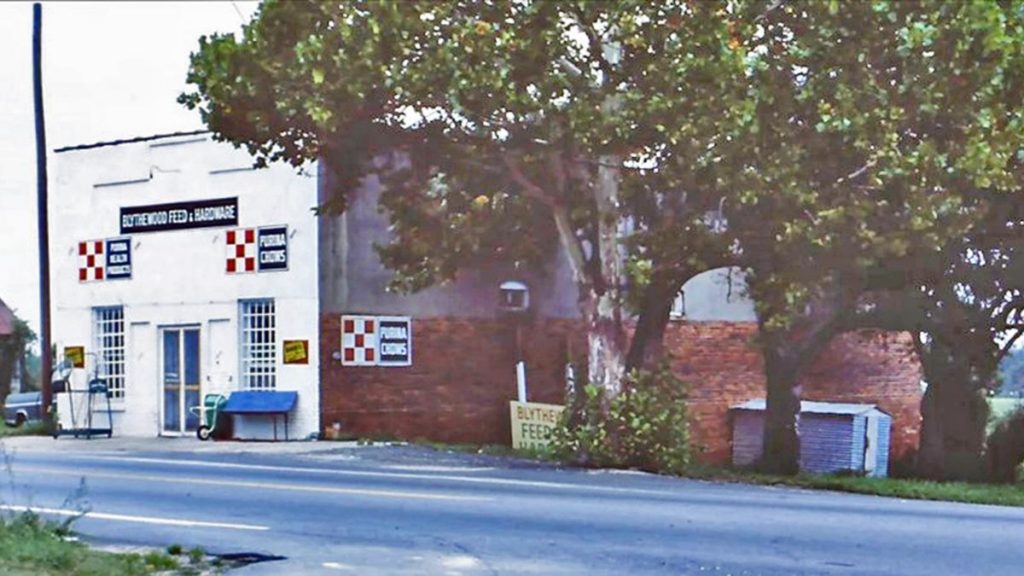
Editor’s Note: As Blythewood continues to grow, questions about development, preservation, and community identity are becoming increasingly important. This three-part commentary series explores why historic gathering places matter-not only culturally, but economically and socially. Drawing on local history and personal experience, the series examines preservation as smart policy, the human cost of losing shared spaces, and a forward-looking vision for how historic buildings can continue serving Blythewood for generations to come.
Part I : Why Preservation is a Smart Investment for Blythewood
Blythewood is facing a question familiar to many growing towns: how to welcome progress without erasing identity.
Development across the Midlands is accelerating. New housing, expanding roadways, and increased commercial interest are reshaping the area quickly. While growth brings opportunity, it also creates pressure to prioritize speed and scale over long-term community character. The choices made now will shape not only Blythewood’s appearance, but its economic resilience for decades.
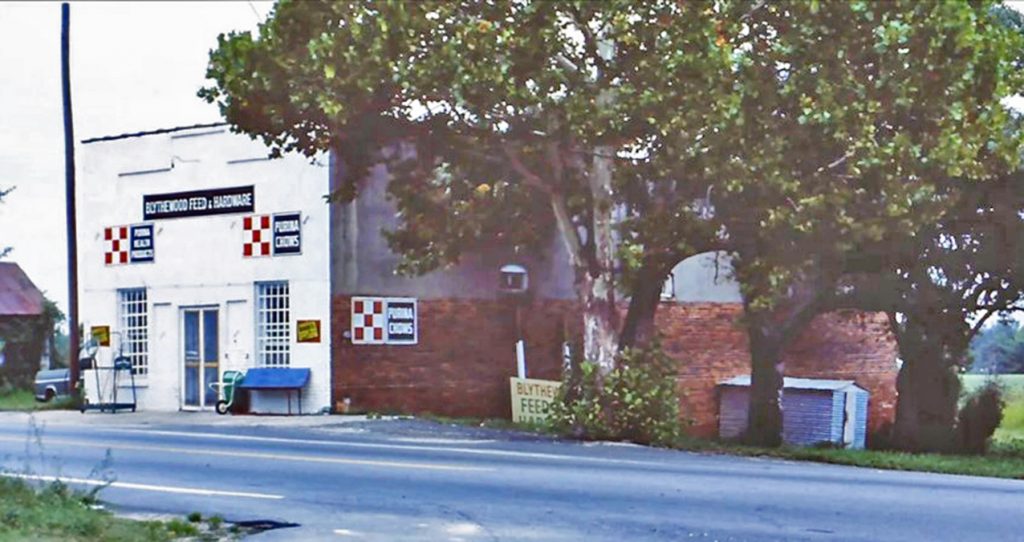
Historically, Blythewood developed around agriculture, the railroad, and small local commerce. Early Main Street businesses were not simply retail locations; they were essential infrastructure for daily life. One of the town’s earliest commercial buildings served as a true general store. Residents could buy eggs, milk, overalls, hardware, and household necessities in one place. Long before modern retail chains, this was Blythewood’s original “everything store”-practical, efficient, and community-centered.
These buildings were never designed for nostalgia. They were built to be useful. That practicality is exactly why historic commercial structures remain economically relevant today.
Across the Southeast, communities that preserve historic buildings consistently see measurable benefits: stabilized property values, increased small-business activity, and stronger downtown foot traffic. Preserved structures anchor commercial corridors, encourage walkability, and reduce the infrastructure costs often required to support entirely new development.
For local governments, preservation is not simply a cultural concern-it is a fiscal strategy.
Replacing older buildings with generic development may provide short-term gains, but it often weakens the distinctive identity that attracts residents, visitors, and small business owners. Towns that retain recognizable historic anchors tend to develop more Blythewood has already demonstrated an appreciation for preservation through efforts to protect historic homes and landmarks. The challenge now is extending that same mindset to commercial and shared-use buildings, especially those that once functioned as gathering places, such as the long-loved local family favorite, Scottie’s Cafe.
Preservation does not mean freezing buildings in time. Adaptive reuse allows historic structures to meet modern needs while maintaining architectural and cultural continuity. Across South Carolina, former depots now serve as event spaces, old storefronts have become cafes and offices, and historic theaters have returned as vibrant community venues.
The question facing Blythewood is not whether growth will happen. It will. It already is. The real question is whether that growth will be intentional.
Towns that thrive over time understand that heritage is an asset, not an obstacle. A preserved building can stabilize an entire block, encourage nearby investment, and signal that the community values continuity alongside progress.
Economic development and preservation are not opposing forces. In many successful small towns, preservation is the foundation that makes growth sustainable.
Blythewood has an opportunity to grow while remaining recognizable to itself. That requires viewing historic buildings not as outdated remnants, but as strategic infrastructure for long-term community health.
Growth is inevitable.
Losing identity is not.

Sarah Ansley is a longtime Blythewood resident with deep family roots in the community. As the owner and operator of The Neighbor’s Notary, she leverages her extensive legal background in Workers’ Compensation, Personal Injury, and Employment Law to serve her neighbors. Sarah also assists children with learning differences at Discovery Therapies Inc. and is a dedicated mother and wife. She is a passionate advocate for veterans, single parents, and the local workforce.