


Let’s be honest. County government meetings can be… a little slow. Okay, very slow.


You ever sit through one and think: “This really could’ve just been a text message.”
The motion. The second. Discussion. The vote. Next item. Somebody coughs.
Government is slow on purpose.
If government moved as fast as a private business, a small group of people could make huge decisions affecting thousands of citizens overnight.
No chance for citizens to weigh in.
That might sound efficient… until it’s your road. Your taxes. Your neighborhood.
Public meetings. Committees. Procurement laws. Transparency requirements. Legal review. All those steps exist to slow power down.
Now let’s talk about something interesting that happens at every council meeting.
There’s a section called Public Comment.
You get about three minutes to say whatever it is you need to say. Honestly, more people should take advantage of that window.
If you don’t sign up to speak, Jeff Schaffer will.
Now, you would think public comments would really move the council. Because who likes getting yelled at in public while you’re not allowed to respond?
It’s not a discussion. It’s more like being talked to by a drill sergeant during basic training.
But here’s the part that surprises people—public comment doesn’t always change votes.
That’s because by the time the meeting happens, most of the homework has already been done. So the meeting you’re watching is often the final step in a process that started days or even weeks earlier—which is why the most important document in local government might actually be the meeting agenda.
That’s where you see what’s coming before the vote ever happens. If you really want to know what your local government is about to do, don’t wait for the meeting. Read the agenda.
Once you start reading agendas, something interesting happens. You stop being surprised by decisions… because you saw them coming a couple of days earlier.
But most citizens don’t attend the meetings. Many people don’t know when they happen. Or what’s being discussed. Or what just got approved.
By the time people hear about something, the vote already happened. Then everybody’s upset.
Now let me say something positive. There’s one thing about these meetings that I actually enjoy: the meeting in between the meetings. Before the meeting starts. After the meeting ends.
That’s when citizens can talk with each other. That’s when people can walk up to someone from planning, utilities, or economic development and ask questions.
That’s when you can walk right up to your county council representative and have a conversation.
Face-to-face. Just people talking.
And sometimes you realize something important: most of the people working in these departments are just trying to solve problems, too. They have rules. Budgets. Limitations. But they also have information the public rarely hears.
That’s why I encourage people to attend meetings when they can. Not just to watch the vote. But to be in the room. At the end of the day, we’re still on the same team.
Local government is basically a giant group project.
Some people do the research.
Some write the paper.
Some present it.
Some ask the hard questions.
But everybody has a role.
Next week we’re going to talk about something that surprised me even more than FILOT—the U.S. Constitution and the South Carolina Constitution.
Yes.
South Carolina has its own Constitution.
And once you understand how those two documents interact, you start to see why government works the way it does.
And why sometimes the slow parts are actually the guardrails.
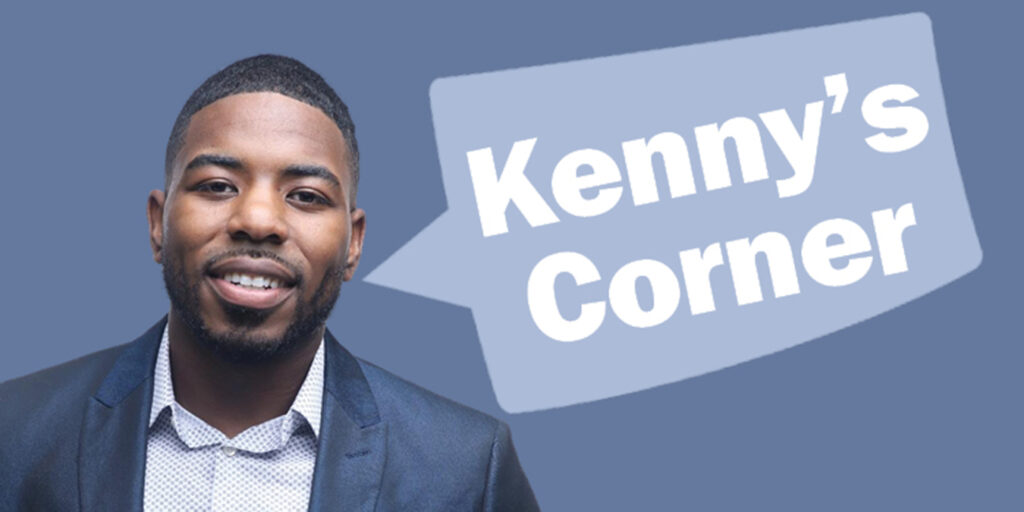
Kenny Robertson, an educator and comedian, is a native of Ridgeway.