


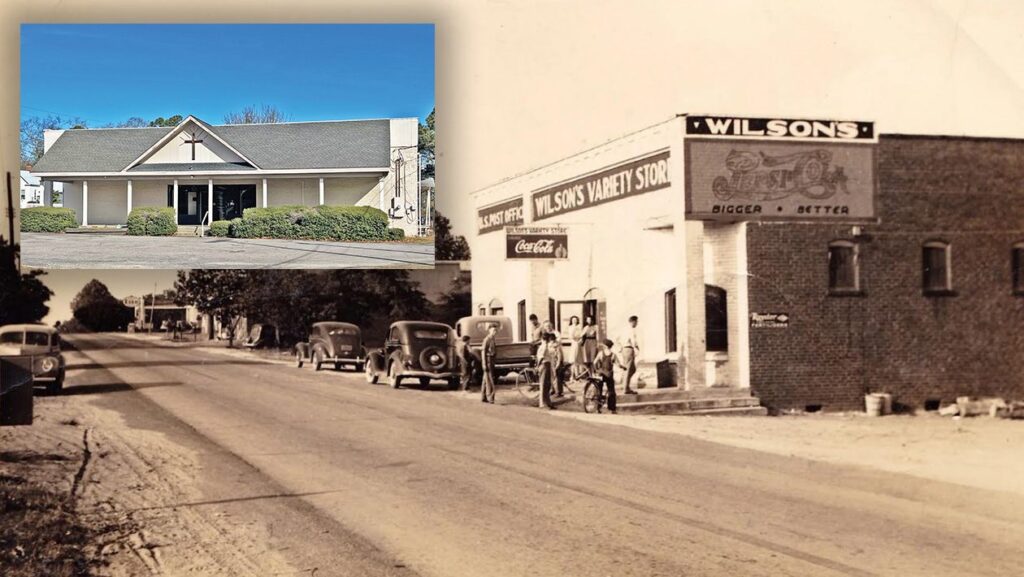
Editor’s Note: As Blythewood continues to grow, questions about development, preservation, and community identity are becoming increasingly important. This three-part commentary series explores why historic gathering places matter-not only culturally, but economically and socially. Drawing on local history and personal experience, the series examines preservation as smart policy, the human cost of losing shared spaces, and a forward-looking vision for how historic buildings can continue serving Blythewood for generations to come.

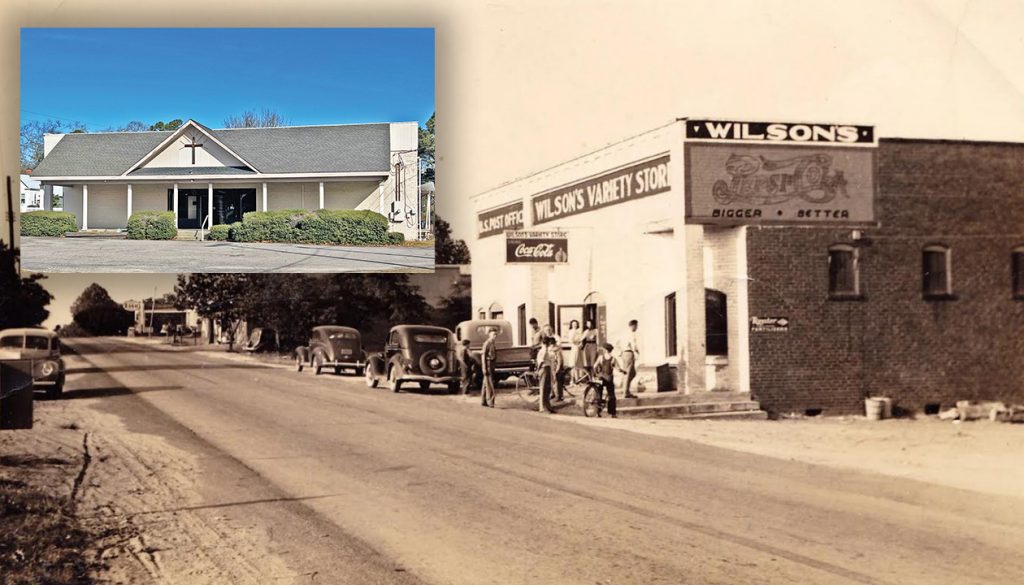
Part 3- The Modern General Store: Reimagining Community Spaces for Today
Every generation needs its own version of the gathering place.
For early Blythewood, that role was filled by the general store and the church, spaces that met practical needs while strengthening relationships. They were efficient, familiar, and central to daily life.
Today’s version may look different, but the purpose remains the same.
As Blythewood grows, many new residents are seeking more than housing. They are looking for connection—places where community life happens intentionally, not just during large annual events.
Restored historic buildings offer a unique opportunity to meet that need.
Across the country, boutique theaters, arts venues, and multipurpose community spaces are revitalizing small towns. These venues do more than entertain. They encourage intergenerational interaction, support nearby restaurants and shops, and create shared experiences that strengthen civic life.
In effect, they become a modern “general store” – not of goods, but of culture and connection.
Reimagining historic structures in this way allows them to continue serving the public instead of sitting vacant or facing demolition. It also preserves the architectural character that makes a downtown recognizable and welcoming.
Blythewood’s own history provides the foundation for this kind of renewal. The earliest commercial buildings once allowed residents to purchase daily necessities—eggs, milk, clothing, and supplies—while staying connected to neighbors. Those buildings were efficient, but they were also relational.
That spirit is worth carrying forward.
A thoughtfully restored gathering space—whether a small theater, event venue, or mixed-use cultural site—could once again provide a central place where residents come together regularly, not just by chance.
Projects like these often succeed because they align economic and social goals:
Increased foot traffic for nearby businesses
Opportunities for local events and youth engagement
Preservation of historic character
Strengthened town identity
Communities that invest in shared spaces tend to see stronger civic participation and long-term resilience.
Blythewood does not need to recreate the past exactly as it was, but it can preserve the values that made earlier gathering places essential.
Once, residents could buy what they needed and leave feeling connected.
Today, the opportunity exists to create a place where people gather for stories, film, conversation, and community life—by choice, not by accident.
Growth will continue.
The question is whether Blythewood’s future gathering places will reflect its history—or replace it.

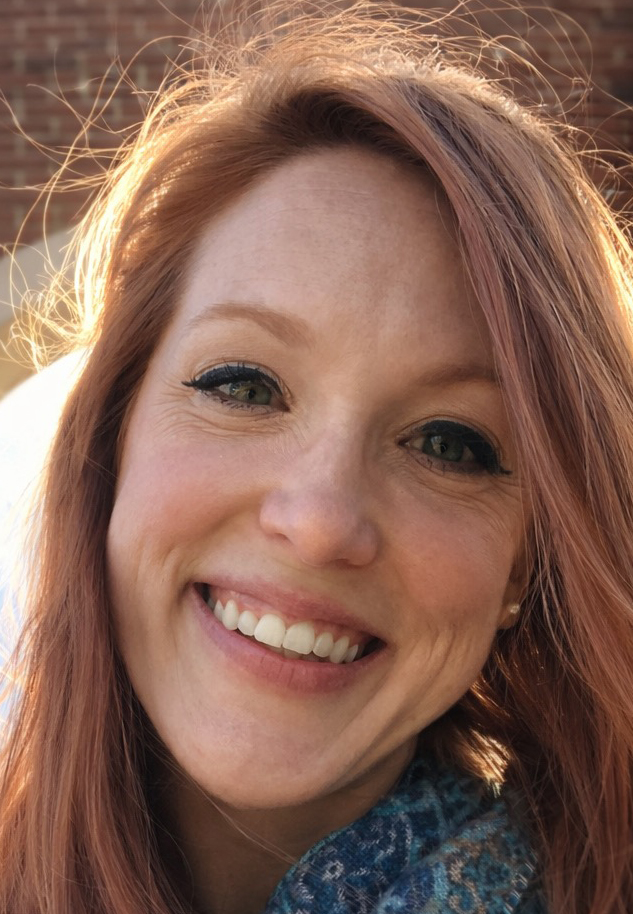
Sarah Ansley is a longtime Blythewood resident with deep family roots in the community. As the owner and operator of The Neighbor’s Notary, she leverages her extensive legal background in Workers’ Compensation, Personal Injury, and Employment Law to serve her neighbors. Sarah also assists children with learning differences at Discovery Therapies Inc. and is a dedicated mother and wife. She is a passionate advocate for veterans, single parents, and the local workforce.