
South Carolina is blessed with rich farmland and productive forests. These working lands feed families, sustain communities, fuel billions in economic activity, and preserve our landscapes. The industries most responsible for conserving our soil, water, wildlife habitat, and rural character—FARMING AND FORESTRY—are facing serious economic challenges.
Our debates surrounding “conservation” are growing louder with family farms and timber tracts being gobbled up in droves by developers and speculators. Some demand government to acquire and preserve more land outright. Others champion zoning regulations or restrictions on private land use. As someone who represents a district built on working lands, it is clear to me that the most powerful, large-scale conservation tool we have is making farming and forestry reasonably profitable again.
The best way to protect the integrity of these landscapes at scale is to ensure that landowners can afford to keep farming and growing timber, generation after generation.
Farmers are battling a crisis that threatens the future of rural America. Even with federal relief programs including a recent $12 billion emergency aid package, farm families warn that these payments are “a Band-Aid” on a large, open wound.
Farm incomes have fallen while input costs have surged. Grain prices are at or below what they were decades ago. Our beef herd nationally has also been severely reduced.
The result- farms are folding. When a farm family goes under, the land is often sold to investors for future development, not another family wanting to farm the land.
South Carolina has roughly 12.9 million acres of forestland, and 87% of it being privately owned. Forestry is the #1 agricultural product in our state, contributing more than $23 billion annually to our economy and supporting tens of thousands of jobs.
Timber markets have drastically deteriorated. In the last decade we have seen multiple paper and pulpwood mills shut down in South Carolina. With no markets, there is more wood supply than demand. Prices for pine pulpwood have fallen by nearly 30%.
To reach the saw timber or power poll growth stage in the timber industry you must thin pulpwood timber multiple times. If there are no pulpwood markets for thinning’s you end up with overcrowded and stunted growth timber stands.
The ripple effects touch everyone. Landowners lose critical revenue, logging crews lose contracts, auto parts stores and equipment suppliers lose customers, restaurants and gas stations lose regular patrons, and entire communities feel the economic strain.
The bottom line is that when land stops paying for itself, it becomes vulnerable to being sold for uses that erase forests forever.
Profitability Equals Conservation
If farming and forestry industries are reasonably profitable, families will continue doing what they have always done in protecting their land, managing their forests and keeping their family farms and timber tracts intact. Reasonable profitability is the incentive that keeps private conservation alive.
South Carolina must take a proactive approach. We must incentivize domestic processing facilities that buy South Carolina farm products and timber. International Markets are fickle at best. Our focus from an economic standpoint has been on productions of items like automobiles. We need to be more aggressive in attracting and retaining agricultural and timber product consumers. Our State and local commerce departments put a lot of attention and money behind attracting “new jobs” in South Carolina, but we need to be equally focused on retaining current jobs and especially those that support agriculture and forestry.
We need policies and programs that help young farmers access land and capital—and incentivize local investment in timberland practices to allow for varying stages of the timber portfolio of the State. We must increase tax credits, cost-share programs, and market-driven conservation incentives. Other tools that are already in place such as conservation easements through the South Carolina Conservation bank need to be expanded and more readily available to those that would like to keep their land undeveloped in perpetuity.
South Carolina centered products are an attractive feature. Our state has done a very good job with the SC Certified program for produce. Much like products with a sticker that says, “Made in America”, consumers have shown a willingness to support “Certified SC Grown” products at local markets and grocery stores. We need to aggressively expand this program into South Carolina grown beef, poultry and other products and give practical incentives for local companies and corporations that use or sell agricultural products of South Carolina.
If we want to protect South Carolina’s land, water, wildlife, and rural heritage, the urgent answer is to ensure our farmers and timberland owners can make a living from the land they love. If we fail, we will lose the very character of our beautiful state.
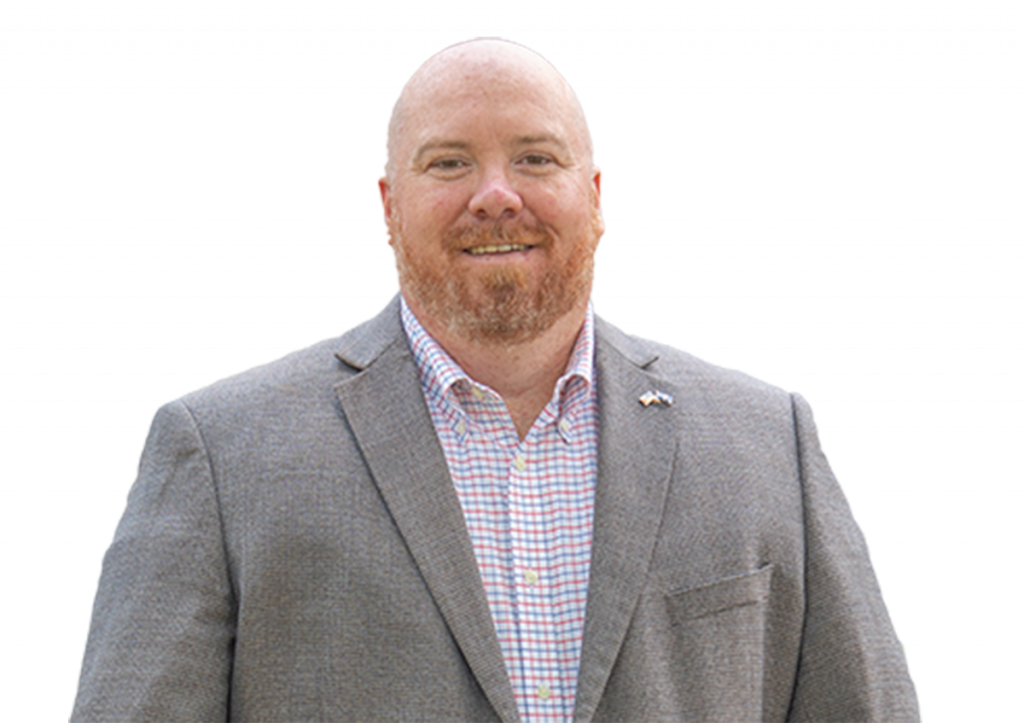
Senator Everett B. Stubbs, III represents South Carolina District 17.