
Editor’s Note: As Blythewood continues to grow, questions about development, preservation, and community identity are becoming increasingly important. This three-part commentary series explores why historic gathering places matter-not only culturally, but economically and socially. Drawing on local history and personal experience, the series examines preservation as smart policy, the human cost of losing shared spaces, and a forward-looking vision for how historic buildings can continue serving Blythewood for generations to come.
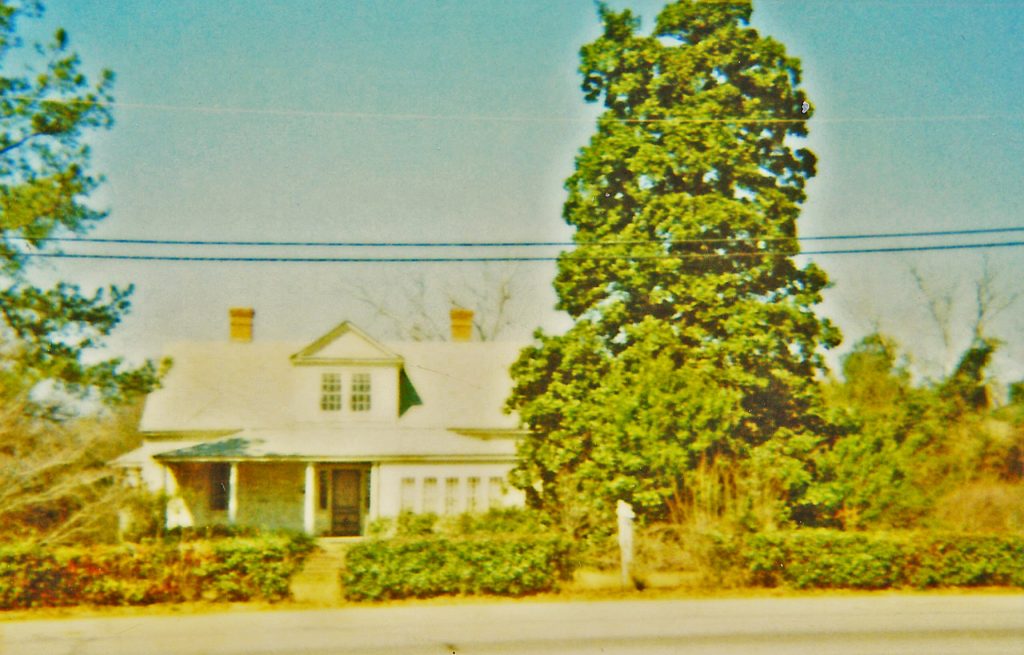
Part II : What We Lose When We Lose Our Gathering Places
Small towns are built on ordinary moments.
Running into a neighbor while buying groceries. Sitting beside familiar faces at community events. Returning to the same building for weddings, funerals, and Sunday mornings across decades.
When those places disappear, the loss is gradual but profound.
Early Blythewood businesses and churches were never just structures. The general store on Main Street was as much a meeting place as a marketplace. You could leave with eggs, milk, and work clothes, but you also left with conversation, local news, and a sense of connection.
These spaces held the community together.
For many families, churches served a similar role. They were places of continuity, where generations marked life’s most important moments. Even for those who moved away or no longer attend, these buildings remain emotional landmarks that shaped identity long before it was recognized as such.
For me, this understanding is personal.
My grandmother, Peggy Allen, devoted much of her life to her church community. Like many of her generation, she viewed that building not simply as a place of worship, but as a constant. It held shared history: potlucks, prayers, laughter, grief, and resilience. It was where people showed up for one another.
Places like that do not just house memories. They create them.
When historic gathering spaces are lost, future generations inherit streets but not stories. Without physical reminders, community history becomes abstract—something that happened “once,” but no longer feels real or accessible.
Preservation is not about resisting change. It is about protecting continuity.
Communities that maintain even a few recognizable historic spaces tend to retain something modern development struggles to manufacture: belonging. Residents feel rooted. Newcomers sense authenticity. Shared memory becomes part of daily life rather than a paragraph in a history book.
Growth is important, but so is emotional infrastructure—the places where relationships form naturally.
A town that remembers itself produces stronger community ties because people feel connected to something larger than their individual routines. They understand that they are part of a story that existed before them and will continue after them.
Saving historic buildings is ultimately about preserving the human experiences that happened within their walls and making room for new ones to occur.
Once those physical spaces are gone, rebuilding that sense of shared history becomes far more difficult than preserving it in the first place.
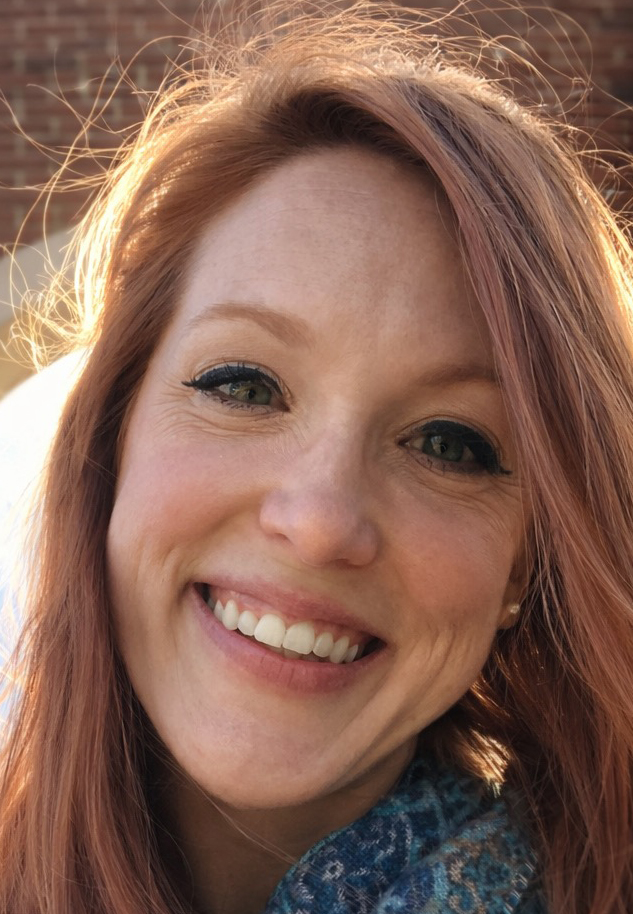
Sarah Ansley is a longtime Blythewood resident with deep family roots in the community. As the owner and operator of The Neighbor’s Notary, she leverages her extensive legal background in Workers’ Compensation, Personal Injury, and Employment Law to serve her neighbors. Sarah also assists children with learning differences at Discovery Therapies Inc. and is a dedicated mother and wife. She is a passionate advocate for veterans, single parents, and the local workforce.